
L'Oréal Paris Is Putting a Name to Something Women Have Been Living With Forever
The new "Missed Opportunities" campaign exposes how street harassment doesn't just make women feel unsafe — it makes them smaller. Here's what the data actually says.
Source: https://www.standup-international.com/ 5D's methodology: Distract, Delegate, Document, Delay, and Direct
The scale of the problem
Most of us have done it without even registering it as a response to fear. Taken a different route. Left a party early. Talked ourselves out of a job in a city that felt unsafe to navigate alone. L'Oréal Paris is calling that what it is — a missed opportunity — and this week, they're making it the center of a global conversation.
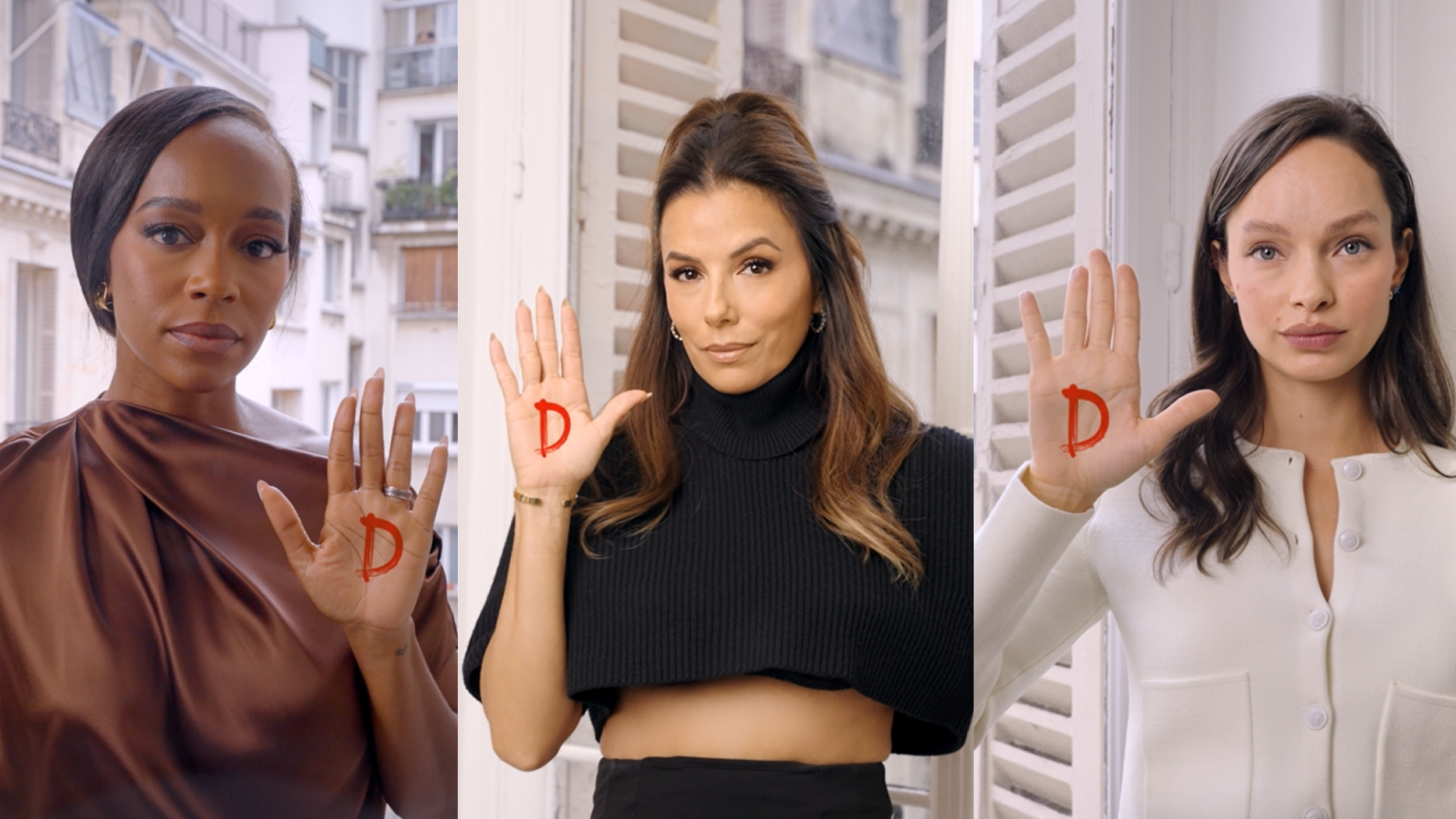
In recognition of International Anti-Street Harassment Week, the brand unveiled Missed Opportunities, a new campaign expanding their Stand Up Against Street Harassment program, launched in 2020 alongside international NGO Right To Be. Where previous efforts focused on awareness, this iteration zeroes in on the cumulative cost: the jobs women didn't take, the classes they skipped, the invitations they quietly declined — not out of disinterest, but out of the constant math of staying safe in public.
"We've been quietly organizing our lives around fear, and most of us didn't even have a name for it until now."
— Eva Longoria, L'Oréal Paris Global AmbassadorAnd the harassment itself? It's more common — and more varied — than most conversations acknowledge. Beyond the most visible forms of assault, 59% of women have experienced unwanted sexual looks or leering, 51% have been touched without consent, and 49% have been catcalled or whistled at. The harassment is rarely a single dramatic incident. It's a constant, low-grade tax on existing in public while female. See the full data breakdown →
Global ambassadors Eva Longoria, Aja Naomi King, and Cara Delevingne are each speaking to the personal weight of that experience, not just as a public safety issue, but as a direct attack on self-worth and visibility. Aja Naomi King put it plainly: street harassment makes women feel like simply existing in public is a risk. Cara Delevingne framed her involvement as a commitment to shifting the culture from "that's just how it is" to "that's not okay."
"Street harassment can make you feel small and afraid to be seen, as if simply existing in public puts you at risk."
— Aja Naomi King, L'Oréal Paris Global AmbassadorThe bystander gap
That gap — between witnessing and intervening — is exactly what the Stand Up program is designed to close. At its core is the 5D methodology: Distract, Delegate, Document, Delay, and Direct. Five bystander intervention tools developed by Right To Be that give people a practical framework for acting without escalating. To date, more than 5 million people across 47 countries have been trained, with a goal to reach 6 million by the end of 2026. Free training is available now at StandUp-US.com →
Sources: Stand Up Against Street Harassment · L'Oréal Paris / IPSOS International Survey on Sexual Harassment in Public Spaces, 20 countries, 20,000+ participants, Nov–Dec 2023.
